• HOME
  • DEMOS
    • Commercial
    • TV Commercials
    • TV & Radio Promos
    • Corporate
    • On Hold IVR
    • Explainer
    • E-learning
    • Midlands
    • Gaming and Animation
    • jingles
    • UK Accents & Characters
    • International Accents and Characters
  • ABOUT
  • CLIENTS
  • COACHING
  • BLOG
  • My Rich VO Life
  • CONTACT
Tanya Rich
British Voice Actor
+44 (0) 7368 127 778
tanya@tanyarich.co.uk
  • HOME
  • DEMOS
    • Commercial
    • TV Commercials
    • TV & Radio Promos
    • Corporate
    • On Hold IVR
    • Explainer
    • E-learning
    • Midlands
    • Gaming and Animation
    • jingles
    • UK Accents & Characters
    • International Accents and Characters
  • ABOUT
  • CLIENTS
  • COACHING
  • BLOG
  • My Rich VO Life
  • CONTACT

Tanya Rich

My very own Rorschach – A Q&A with Amy Archibeque

February 20, 2023 by Tanya Rich

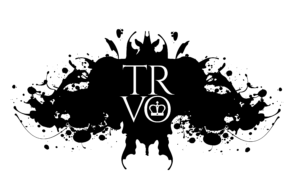
Tanya Rich's Rorschach inkblot

When deciding to refresh my website, I had some specific ideas in mind – specifically the addition of a Rorschach. I love Rorschachs as everyone sees something different in each design. Amy Archibeque and I worked together to create this design and I wanted to know how she found it designing a Rorschach.

The interview

– Did you enjoy designing the Rorschach? 

I did enjoy designing the Rorschach! It was a fun and challenging project. I always enjoy working on pieces that the client feels a personal connection with, because it’s so much more rewarding when they are happy with the outcome. Working with Alicia and Tanya was a very pleasant experience, and I really love these collaborations when the client and I can work together on coming up with ideas on how to create the image they want. 


– What was your process? 

For my process, it was important that I started out getting to know Tanya as a client and what she really wanted to represent. I got to speak with her. I found out about her style. And I saw what images she was drawn to the most. We then went back and forth on some mockups in styles she was drawn to. Once we determined a style, I was able to move forward with the logo design.


I started with finding naturally occurring ink blots, specifically in the style of spray paint and ink splatter. With Tanya, we wanted to create more of an edge to her design, so I wanted to use this style of ink,  as opposed to the classic water-based medium of Rorschach ink blots. The ink splatter allowed more movement and expression in her design, helping to create a stronger statement. I initially built up a few pieces that formed a crown, then added accent pieces along the edges to help create more movement. 


As a rule of thumb, however, it’s always important to step back from your art and get a fresh perspective. As Tanya pointed out, one of my initial designs looked like a raw chicken. And she was right–haha. As soon as I zoomed out and stepped back, all I could see was a cold dead chicken breast with skinny legs. Another reason this piece was so fun to work on was how subjective this piece was. Everyone was going to see something different! Obviously, we didn’t stick with the chicken, but Tanya then came back with the raven idea. I worked off a Rorschach piece she liked and used ink splatters again to create movement along the wings and form the outline. 


I also had to be mindful of having enough space in the middle to add the logo, so I did have one of the original crown pieces help fill in the middle. It was subtle enough that it could still pass for the chest of the bird, or part of the wings. Or whatever one wanted to see.


– What do you see when you look at the Rorschach? 

When I look at the Rorschach, I see a woman wearing a crown. Her head is tilted down and eyes drawn up. Behind her, a raven has just taken off for flight. Its feathers scatter leaves and other particles in the air around it.


Comment below what you see in the Rorschach!

Tanya Rich's Rorschach inkblot

Filed Under: Uncategorized

When things don’t go to plan in voiceover work

February 13, 2023 by Tanya Rich

A dartboard with the text "when things don't go to plan" written on it“Life is what happens while you’re busy making other plans”. 

The late and great John Lennon said it best, but what’s interesting is that we’re constantly told that success only comes from having a plan.

Raising a family?

Have a plan. Get savings. Then get a house. Next, get a well-paying career. Start building that college fund.

Growing your body of voiceover work? 

Have a plan. Get trained. Then get educated. Next, get a qualification. Take that internship. Write those damn CVs and cover letters.

Starting a business?

Oh, you’ve guessed it. You better have a plan in place, or you’re going nowhere.

Here’s the deal.

Despite what everyone else says, what if you did all these things, just without a plan?

It’s okay to have goals and a sense of direction, but what if, and hear me out, you took your foot off the gas and the plan was flexible?

This is how I’ve lived, and it’s turning out well.

Allow me to explain.

I’ve always been politically minded and against the status quo.

John Lennon’s on my mind today.

But he does have a few fair points, doesn’t he?

I’ve never been a fan of the status quo. 

Take my time doing voiceover work.

I’ve been standing at the mic for over 30 years now, and I’ve seen countless trends, styles, and approaches come and go during that time. People with plans and ambitions that they want to bring to life.

But so many have faded away, given up, or moved on to something else. 

But why? 

Why are the people so ambitious and driven to succeed just letting go?

I took some time to think about this, and I can’t move past the one barrier that comes up time and time again, and that’s having a plan.

Now, I’d be lying if I said I didn’t have some kind of plan when I started out in the voiceover industry.

I planned to be the best voiceover artist in the world. I wanted to thrive in every voiceover genre possible, and I wanted to be like water to the point that I would be able to evolve and change with the trends and markets effortlessly.

I’d never be out of voiceover work, and I’d always thrive.

Three decades on, I can safely say I’m doing it. That’s the life I’m living.

Upon reflection, this comes down to not having a plan.

The status quo of the modern world is to get yourself a plan in life and to stick with it, but I’ve found time and time again that this does not work.

Life is messy and unpredictable. It takes its course and surprises us at every turn.

Take a moment to think about just how many times that has happened in your own life. More than a few, I’m sure.

Here’s the issue.

When you have a strict and rigid plan in place, it can feel like every bump in the road causes a problem. This mindset leads to everything in life feeling like a problem, and you’re only going to hold yourself back.

By letting go of your plans but putting yourself on a path in life and just letting yourself figure out what you need to do when you need to do a road trip through your life fuelled by passion and ambition, then you’ll make it.

I’ve seen it in my own life and the lives of so many others.

Bruce Lee once said;

“Empty your mind, be formless. Shapeless, like water. If you put water into a cup, it becomes the cup.”

A river doesn’t have a plan. It doesn’t know how it will cut through the forest or across the fields. It doesn’t know what obstacles stand in its way or what dams will hold it back. Yet, over time and with perseverance and its overall goal in mind, it always gets to where it wants to be.

In your own life, when you’re fuelled by passion, you put yourself on a path, but you’re free to go with the flow of the universe, and this is far better than trying to walk yourself through a brick wall.

Far better just to walk around it, even if that wasn’t in the original plan.

When you can do this, that’s when life gets exciting.

Curiosity is one of the great secrets of happiness.

When life inevitably happens, and you’re thrown a curveball, do you feel like a failure?

So many of us do. We crush ourselves and beat ourselves up because we clearly weren’t capable enough to do what we set out to do.

I say don’t be so damn hard on yourself.

Embrace the disappointment, devise a new plan: and take a breather from planning. 

For good.

I say again life is messy and complicated, and 99% of the things that happen in your life are outside your control. 

The trick to success is to be able to go with the flow and still be able to get to where you want to be, regardless.

When it comes to voiceover work, like all industries, you won’t get every job you apply for. Not every person you’re interested in will like you back. Not every movie will be all it’s cracked up to be. Sometimes you’re going to oversleep or fail a test.

That’s life.

Don’t let this perceived (but not real) failure hold you back. Instead, pick yourself up, and start dodging and diving. Let your passion for your dreams take you to where you want to go.

Keep doing this, and you’ll get there.

Not necessarily in the way you originally planned, or at the same time, but you will get there.

The only way you can ever indeed fail is if you give up completely.

And hey, I get it. Some of us love to be in control and feel lost without it. Well, why not add some spice to your control?

If you have to think strategy, think outside the box. 

  • Grab yourself a dartboard and post-it some ambitions onto it.
  • Close your eyes, take aim, and let that dart fly!
  • Wherever it points to is what you should do next – no matter what.
  • Don’t think; just do – right now! There might be something unexpected where the target leads, a new realm of possibility for you and your goals.


My whole career in voiceover work, I’ve been guided by nothing but the opportunity to work in my beloved voice industry.

Of course, it’s important to note that I’ve been doing this for a long time, but this is just me speaking from the heart about what works for me. 

If you need to plan something out, go for it. 

But why waste time on mundane planning techniques when you could have a blast just living your life and doing it?

Dream. Have ambition.

Feed that ambition with nothing but curiosity, excitement, and fun.

Don’t put it into a rigid box.

So go forth and plan, but be bold and switch up your route when the universe throws something new your way!

You never know where it might take you. That’s the beauty of life.


Filed Under: Uncategorized

The Patchwork Voice Actor

February 7, 2023 by Tanya Rich

A sewing kit on a patchwork quilt, emphasising a patchwork voice actorA Professional Concern: the Patchwork Voice Actor

If you’re working with a professional UK voice-over artist, or if you are one, there are certain terms that you need to learn. Then you need to be comfortable with them to make sure jobs go smoothly.

One is the “BSF”, which means Basic Session Fee or Basic Studio Fee (i.e. the artist’s labour to record for an hour in a studio).

Another is the “usage”, which means the fee for how many people are going to hear the voice-over’s message.

And a third one is “pick-ups”, which are extra lines that are recorded if a script is changed later.

But there’s also a fourth term that you might like to bear in mind when working with a UK voice-over artist or voice actor.

And that is: “patchwork voice acting”, or the “patchwork voice actor”.


What is a Patchwork Voice Actor?

A “patchwork voice actor” or “patchwork voice-over artist” is a voice actor. But it’s a voice actor who’s unable read a script, without mistakes, in one go.

They also tend to struggle with bringing out the demands of a script, including things like vocal inflections, tone, energy and so on.

And because they struggle with these things, they also have difficulty reading to time, which means fitting the script into, say, 30 seconds.

So not only is a patchwork voice actor unable to deliver in one go; but they’re also unable to deliver on time.

It’s a bit like going internet shopping. Like clicking on ‘guaranteed next-day delivery’, only to get your items late, in separate deliveries, and with the contents squashed.

Not a great service, eh? And hardly professional.


How much does a patchwork voice actor cost?

I’ve worked as a professional UK voice-over artist more than 30 years – and I have to say that patchy delivery in the studio goes against everything I believe in.

Some people might say: “well, what’s the problem? These days, you can record the best bits and quickly stitch them together. So what? Things don’t have to be perfect like they were when voice actors were recording to tape”.

Well, that might be partly true. But what if the patchwork voice actor’s finished recording is not only made up of lines of text, but individual words or even syllables?

What if the recording took twice as long, took the producer twice as long to edit, and cost the client twice as much?

And what if the client wasn’t exactly thrilled with the clunk and crunch of the different takes that had been stuck together?

Then what if the client was gritting their teeth during the recording session? Wondering if they’d made the right decision with the voice?!

Aaaand what if the client was so disappointed with the overall experience that they scrapped the project and gave the work to another company?

And what if the client never worked with the original company or voice actor again?

Hmm… suddenly, the patchwork voice actor is making everyone look bad – not just them.


Patching things up

This got me wondering where these patchwork performers come from – and who else they’ve worked with.

Well, I soon found out.

The other day, I worked with a new customer on a voice-over project.

At the beginning of the recording session I was asked something odd. Odd to me at least. I was asked if I wanted to record the script “line by line” to “help with breathing”.

Of course, I had to politely decline the offer. Because, well, after 30+ years of voicing, I knew pretty darn well how to creatively interpret a script, breathe in the right places, and do it all to time.

So I recorded my first take.

“Tanya…” said the voice at the end of the line.

“Yes”, I replied.

“That was bang on 30 seconds”.

That’s great, I thought to myself. It was meant to be!

What a confusing recording session. Why was this person so surprised that I could read the script to time?  And why did they ask if I wanted to do it “line by line”?

There can only be one answer to these questions, really. It should be normal for a professional UK voice actor or voice-over artist to interpret scripts alone and/or with direction. AND to be able to read to time.

To continue the story…

I recently recommended one of my Richcraft voice-over coaching graduates for a job that required two voices: male and female. I’m pleased to say that he performed his parts perfectly. His counterpart (who was not a graduate of mine and was supposed to be an established professional voice) wasn’t so lucky, though. Her takes, I am told, took two hours – and were literally patched together into the final commercial.


Patchwork voice-over demos and voice-over showreels

If you’re looking to work with a voice-over artist, you should be aware that this kind of patchy work can also be found in voice-over demos and showreels.

For those not in the know, a voice-over demo or a voice-over showreel is a compilation of audio clips of an artist’s actual paid work, or recordings that have been professionally produced using scripts designed to show off their talents.

However they’re put together, they should be able to demonstrate what a voice-over artist can do in a professional setting.

What they shouldn’t be, of course, is a patchwork of patchy performances. So if an artist can’t reel their off scripts in one go, with good dramatic interpretation, and to time, and if they have other weaknesses in their voice like soft Rs or sibilant S sounds, then really, they should not be recording a showreel with the aim of getting professional work. They’re not ready and would be better off spending their showreel budget on extra vocal lessons.

So to all clients, agents, casting directors, producers, and students – please, take it from me: be mindful of being, or working with, a patchwork voice actor. Yes, audio can be easily stitched together these days. But a voice-over’s ability to nail a handful of takes will always ensure that projects pass off smoothly and are delivered on time and on budget.


Yours, because I want the best for you and your business,

Tanya Rich.

International Voice-over Artist

Filed Under: Blog

Talking Creative with voice-over artist Tanya Rich

November 26, 2020 by Tanya Rich

Back in the voice-over booth for another podcast

Voice-over artist Samantha Boffin sitting on a step
Talking Creative podcast host and voice-over Samantha Boffin

Having appeared on the VO Boss podcast in 2018, I was recently asked to be a guest on fellow voice-over artist Samantha Boffin’s podcast, Talking Creative – the Art of Voiceover Directing.

The podcast is aimed at helping clients, creatives, producers – and indeed, anyone working with professional voice-over artists – find, brief and direct their chosen VO, so that they get a great read and a fantastic result.

A while ago, Samantha was one of my voice coaching students – and today she appears on my Rich List of professional voice-over artists, whom I heartily recommend.

You can listen to our interview here.

But if you’d prefer to have a quick read of the main points, here’s a slightly cut-down text version. Happy reading!

Talking Creative interview with Tanya Rich 

How did you get started as a professional voice-over artist?

I was very lucky, actually. I took myself off – on the advice of my mother who had done voiceover when commercial radio first started – to my local radio station Signal in Stoke-on-Trent and said, “Can I have an audition to be a voiceover please?”

And a guy emerged and it was the writer Les Scott, who knew me when I’d managed the punk band Discharge. And he said, “Hello Tanya, what are you doing?” I said, “Well, you know, my mum thinks I should be a voice-over artist. What do you reckon?” And he said, “Come on through do an audition, meet Les Woollam, the producer”. So Les was very kind of sombre compared to Les. “This is Tanya, she’ll be great”. “Have you ever done this before? No. But I’ve done loads of drama, and I am a professional session singer.”

They sat me down, gave me a script. I read it. And they said, ”You’ve done this before -you’re a hustler.” I said, “No, no, I haven’t.” They said, “Well, that was bang on 30 seconds. Let’s give her a harder one”. So they gave me 20 seconds – I did that. Now obviously, the VO style wasn’t perfect, but they saw enough in me. And the greatest thing of all was, I got trained on the job. They had a female voice that they use regularly. And I spent two years being the second voice.

Can you explain the second voice? 

Les Woollam, producing audio from a voice-over artist
Mentor hard at work: my first producer, Les Woollam, at Signal Radio

I’d just be the voice echoing back. So for example, I’d go “new kitchen, Sam?” and she’d go, “Yes, that’s right. I got it from blah, blah, kitchens”. Then I’d go, “Wow, that’s great. What was that number?”

So that was going up and down the country?

That was just in Stoke-on-Trent. And then what happened was, after two years doing that, I got enough stuff together to make a reel and I send it off to JMS and Harewood radio, who then took me under their respective wings and taught me even more about being a VO. From there, I got more reels, sent them off. And that’s when the real fabulous time of being a jobbing voice-over artist was because that’s when we got our bookings a year in advance and drove around the country and worked with everybody and did everything and anything.


That’s how you really learned how to be the voice that you are now?

Yes, absolutely. When you got to a station, you didn’t know what to expect. So you could have had 10 scripts, or you could have had 50 scripts. And you had to literally go from hard sell soft sell – mother, grandma, child, witch, fairy – you never knew. And you were expected to do it quickly. Because of course, in those days, it was all done to tape. It had to be cut with a razor blade, you know, which is why we all have this fantastic breathing method. We all know intonation, and we can all voice to time.

Was it helpful that you were a singer as well? 

Voice-over artist Tanya Rich working as a singer
Swapping mics: Tanya Rich sings on stage

Yes, I think so. Because if you can hear the music and the copy, that really does help because it is a rhythm. There are rhythms in copy. That’s why you know, thinking about real inflection and how we actually bring things to life is really important. Yeah.

Did you spend a long time working that circuit? 

I did. That’s why I know all the cracking old-school voices. And when I say old-school, I don’t mean their voice age, I mean them as in their values and their skill set. We had to deliver. Whatever we felt like, we always had to be fine. And we always had to be on. Especially as a female voice-over artist, you needed to be super versatile. And you just need to be able to change from one script to the next.

So voiceovers don’t work in the same way anymore? 

No, they have it a lot easier. And that’s why, you know, it’s one of the things that I have a real problem with. Because it’s a very tough industry even now. In fact, it’s so overcrowded now, it’s probably even tougher in some respects for new voices. But yeah, I mean, you had to have that discipline. And you had to have the thickest of skins.

How has it all changed?

Actor, voice-over artist and inspiration, Ian Swann

Watching people on the job, that’s really how I learned. I mean, the first time I realised I could actually move when voicing was watching the amazing voice-over artist Ian Swann. I’d been taught everything about how to move my face, but not my body. And then Ian – coming from an acting background – showed how the two can connect. But now, people are voicing with computers. They get endless times to do takes – they can cut out every breath. I once had somebody say to me, a new producer who didn’t know me: “Don’t worry if you can’t do it to time, we can do it line by line.” My flabber was truly ghasted. It’s like the death of spontaneous beautiful performances!

I think a lot of people see voice-over artists being quite rigid actually. They’re so terrified about going off mic. But that’s something that you’re really passionate about, aren’t you?

Yes, I am. We have to give so much more behind the mic sometimes to make it really stand out in the listener’s ear. You know, the amount of people I personally work with that have had coaching and still don’t know they’re supposed to move their face or shoulders or hands or anything. It’s appalling really.

So, what do you think about the industry now?

I have to say that there is a saying amongst really experienced professional, great voice-over artists that a lot of voice-over artists or people claiming to be voice-over artists in today’s market would never have survived in our day. I think people haven’t got a thick enough skin. There are so many people saying they can be voiceovers and you can just go and buy yourself a website. Everybody thinks it’s just talking and reading. I’ve got a voice, my nan says I’ve got a nice voice, I can be a voiceover – and I’m afraid it’s not true.

How would you describe your approach to coaching? 

I’m firm but fair. I encourage but I don’t give people false hope. I don’t lie to them about their ability. They have to do the homework. They have to record and they have to improve and get it. People say to me, how long will it take me? I don’t know. But what I can say is that you will know when you’re ready because you’ll get that lightbulb moment and switch on. They have to jump through a lot of hoops before they get to make a reel. But when they do, every voice style on that reel is genuine. They can reproduce that at the drop of a phone call. And they can self-direct, they can take direction and they are formed voiceovers. The only thing then they need to get is more and more experience and learn even more things.

Do you teach mic technique too? 

Mic technique matters. Photo: spoiu23 from Pixabay

Yes, I teach them about staying on-mic, how to work the mic as in if they’re going to be shouting or projecting. I also do teach them they don’t need to project because unless it is a shouty part of the script, of course, because that’s what we have microphones for. Right? They do all that work for us. That’s one of the things that a lot of people think they have to do, especially if they perhaps come from a stage background. That’s one of the hardest things to get them to back down a bit.

Being able to empathise with your audience – what are your techniques around that?

Think about who you’re talking to. But don’t just stop there. Think about how the person that you’re talking to is reacting to what you are saying. So you’re actually in a conversation with a person that we can’t see or hear. And using your face and your natural facial movements. The way a line can be delivered really changes depending on your head position.

Why is it important for voice-over directors to be looking for voice-over artists who have the right sort of training?

Richcraft voice coaching

Voice directors should look for either a voiceover that’s established with their current reels, or get them to just do you a very short audition. You know, my company’s called Rich Craft. On there are some of the voices that I’ve trained that have made reels that I think are outstanding. Any producer that came to look at that list, I would hope would know, actually, if they’ve been trained by Tanya, they must be bloody good.

Is it easy to spot the trained voice from the untrained voice?

It depends on how experienced the director is, doesn’t it? Because if they’re not experienced themselves, they won’t know. You see. I don’t want to go off piste here. But a showreel is not always a real reel. If you hear a voice that you’ve never heard of before, and there reel is peppered with spots for top brands, like Andrex and Persil and things, that’s usually a good indication that actually that reel is fake.

What attributes do you think a good voice director needs?

As I say, it would help if they understood the language of VO. So if they say to a voice-over artist, I want it to sound more ‘warm’, that’s fine to an established voice, they know exactly what to do. But an inexperienced voice doesn’t know.

Could you tell me a bit about the Rich List that you’ve got, because that’s something that’s relatively new, and it’s part of RichCraft, isn’t it?

Tanya’s personally endorsed list of voice-over students

Basically, I decided I should showcase some of my students on another platform. And because they have to be the best of the best to be on that list – they are people that have really put the time in and worked. And I know and I can put my faith and trust in them, that they will not let either themselves or me down, or a director or producer down if they get a gig based on something on their reel. That’s why I did it.

I know that you’re very, very hot on the fact that if you’ve got it on your reel, you need to be able to reproduce that in a session. 

Absolutely. Anybody can sound good on half a sheet of A4. Try doing 20 pages and having the same energy from the top to the bottom, the same connectedness, the same commitment to the script. You can tell a good voice doing e-Learning because they’re not patronising, they don’t sound bored. It’s really important that you get good voices that can really deliver the goods. There is no ‘get rich quick’ scheme with voiceover.

And directors need to know that they’re the real deal…they need to be able to step up to it.

If you’ve got somebody off the strength of their reel and you know that you’re going to have to spoon-feed them baby food the whole way through the session, then they are not a fully formed voiceover. And most directors don’t have the time for that. The only time they ever find the time is if that person is famous, you know, always the bridesmaid is a professional voiceover never the bride.

And on that note…

As I go to put my wedding dress on…

We couldn’t do that in the booth – lots of rustle! But thank you so much, Tanya.

You’re so welcome! And I’m very honoured to be asked.


Tanya Rich is a UK voice-over artist and voice-over coach with more than 30 years’ experience in the industry, who works with clients worldwide. 

To find out more about how to hire her for your project, or for vocal coaching, click the links above.  


Filed Under: Blog Tagged With: British female voice-over artist, British female voiceover artist, British FVO, FVO, producers, professional voice-over, professional voiceover, showreels, UK female voice-over artist, UK female voiceover artist, UK FVO, voice acting lessons, voice casting, voice coaching, Voice Over, voice over casting, voice training, voice-over coaching, voice-over training, voiceover, voiceover coaching, voiceover training

It’s Not Personal. It’s Professional.

November 14, 2019 by Tanya Rich

A blog about being the right you in the right context, from a female voice-over perspective

Professionalism tie
Always maintain professional ties. Image: Free Photos on Pixabay.

Personal and professional.

Two words.

Both pretty similar.

Each one begins with a ‘p’ and ends with an ‘l’.

And they share an ‘e’, ‘r’, ‘s’, ‘o’, ‘n’ and ‘a’, too.

To outward appearances, these two words have a lot in common: you can almost see a ‘persona’ in that ‘professional’. And to some extent, that’s true.

A voice-over artist could, in the right context, claim that the personal is professional. For example, you could give a ”personal service” (which by its nature also involves a high degree of professionalism). This might mean that you are polite, prompt with emails, correctly interpret the brief, provide the perfect read, and send back the audio in double-quick time, exceeding all the client’s expectations.

In that context, it’s easy to see how the personal is professional. But at other times, the personal is not professional. For example, you might arrive late for a recording session, which you forgot to book into your diary, because your head is thick with cold, because you were out drinking last week, and well, your car won’t start either, because you put off booking it in for its MOT.

Two examples, then, of the personal and the professional, and how the right combination produces good results, while the wrong combination does the opposite.

The other subtle difference between these two scenarios is the ”backstory”. In the world of reality TV (like my guilty pleasure, America’s Next Top Model), a backstory is the dramatic backbone of the series. It’s how, as viewers, we get invested into a contestant’s character and how we make sense of her journey from poor, shy, small town girl to (maybe – and you’ll find out next week and the week after that) a coiffed, cool, confident catwalker. That’s storytelling in so-called reality TV, where characters are developed and constructed through creative editing to entertain the audience.

But in the professional world (what we might call ”real reality”), nobody cares about your backstory. There is no audience. Nobody is invested in your storyline. And few people care about your personal life, because in the context of a recording studio, there isn’t time and it’s simply not appropriate. So the only answer to ‘’how are you?’’ at the start of a recording session should be ”great, thanks!”.

The reality is, therefore, that the world of the professional is about doing the job. As a professional female voice-over artist, or if you prefer, a voice actor, you have to ‘act’ like a professional, or better yet, just ‘be’ one. In studio and out. On good days and bad days. All of the time.

I learned about professionalism the hard way. When I was young and still learning my craft, I mistook friendliness and regular contact with contemporaries to mean that we were all a big happy family of voice-over-related people, working together in a fun, harmonious circle of trust. But reality soon dawned and I realised that you can’t bring your personal storyline into the professional environment. And as such, I shan’t be mentioning it here, either.

But learning the value of professionalism (at the expense of the personal) was an important lesson. Years later, it’s what I teach my students. ‘’’The reality’’, I tell them, ”is that you’re just gobs on sticks” (as my friend and colleague Stephen Lyons would say). ”It’s just you, the microphone, the producer and the copy. Be in the moment. Speak only the words on the page. Be the professional. Fulfil your role. Do the job”.

And if you can be personable too – rather than personal – that’s a bonus.


Tanya Rich is a UK female voice-over artist and voice-over coach with more than 30 years’ experience in the industry, who works with clients worldwide. 

To find out more about how to hire her for your project, or for vocal coaching, click the links above.  


Filed Under: Blog Tagged With: audio, audio casting, British female voice-over artist, British female voiceover artist, British FVO, catfish, FVO, producers, producing, professional voice-over, professional voiceover, showreels, UK FVO, voice acting lessons, voice casting, voice coaching, Voice Over, voice over casting, voice training, voice-over coaching, voice-over training, voiceover, voiceover coaching, voiceover training

Are you Casting a Catfish?

August 5, 2019 by Tanya Rich

Are You Casting a Catfish?

Are you a voice-over casting director? Or a radio commercial producer? Or even a marketing person looking for a voice for a project? Then perhaps you might allow me to have a discreet word in your ear. Because there’s a thing that I’ve been made aware of, which maybe you’re not.

Don’t worry, nobody’s told me you’ve got BO. And in any case, since we work remotely, I wouldn’t know.

But I am talking about something that’s got a bit of a whiff to it.

Something not quite right.

Something fishy.

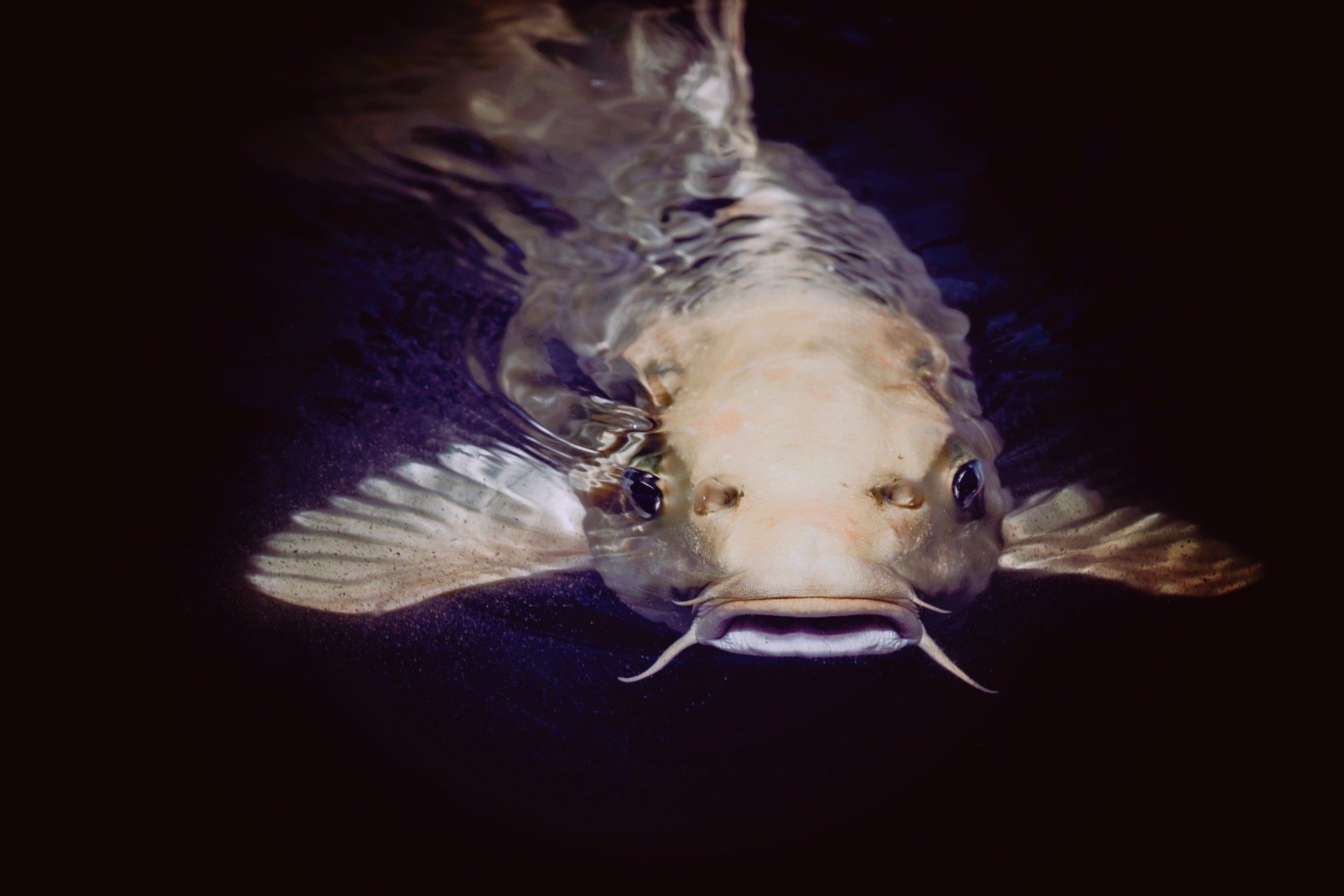
The Casting Catfish. Picture by Denise H.

The catfish voiceover

It’s been claimed by various voice-over industry stalwarts recently that there has never been a better time to be a voice-over artist.

That may be true. Take a look at audiobooks outselling paper ones. And look at the resources out there to help aspiring voiceover artists develop their talent – my own included. Look at how being a professional voice-over artist appears to be, on the face of it, the ultimate work-from-home career.


For newcomers, opportunity seemingly abounds. Now seems to be a great time.

But like I said before, there’s something about this that doesn’t smell quite right.

Something fishy.

You might also think, if you’re someone responsible for choosing voices, that there’s never been so much choice. You might think that the next voice you pick will provide excellent value. And you might think they’ll be a star performer. You might think they’ll always be available. Then you might think they can read out loud, stumble-free, with every nuance necessitated by your carefully crafted copy. You might think they can deliver to deadline without disappointment.

You might think all of these things (and more). But are you right in your thinking?

Yes, the voice-over pond has – apparently – never been more plentiful.

But is the voice you’ve fished out the ‘reel deal’? Or have you mistakenly cast a catfish?

They might claim to be wild tuna on their demo, but can they do exactly what they say on the tin? And when you’ve forked out and hired this voice, have you actually – mistakenly – opened up a can of worms?

These are important questions. And reputations, budgets and successful projects depend on them.

That fish is off

The unfortunate truth is that casting (and then booking) someone with no web presence and a limited portfolio of work could mean the same as a fisherman coming up with a tiddler, after hours spent throwing lines (and some producers do have to throw plenty of lines to be read back at them, so I’m told).

I also hear stories of inexperienced voice-over artists turning up to studios, unable to perform to the same standard on their demos, or unable to respond to direction and deliver lines differently.

(I should make it clear at this stage that my Richcraft voice coaching students are only allowed to make a demo with me, when they are genuinely confident in their ability and are able to truly deliver!)

To return to my earlier point, it seems that on the surface, the voice-over oceans have been never been more plentiful.

But dive underneath and you may soon realise it can be a murky place.

So a discreet word from one who knows to all voice-over hirers, whether you’re the marketing person, radio ads proddie, or casting director: trust your instincts. Do your research. Go with experience.

Then, when you’ve hooked and booked a real catch – one that’s thrived in these waters for decades – you’ll know that production success is about having bigger fish to fry, and about working with a vocal wriggler, who’ll provide hours of fun at the end of the line!


Tanya Rich is a UK voice-over artist and voice-over coach with more than 30 years’ experience in the industry, who works with clients worldwide. 

To find out more about how to hire her for your project, or for vocal coaching, click the links above.  


Filed Under: Blog Tagged With: audio, audio casting, British female voice-over artist, British female voiceover artist, British FVO, catfish, FVO, producers, producing, professional voice-over, professional voiceover, showreels, UK FVO, voice acting lessons, voice casting, voice coaching, Voice Over, voice over casting, voice training, voice-over coaching, voice-over training, voiceover, voiceover coaching, voiceover training

  • Page 1
  • Page 2
  • Go to Next Page »

Primary Sidebar

Categories

Archives

  • March 2025
  • February 2025
  • February 2023
  • November 2020
  • November 2019
  • August 2019
  • December 2018
  • November 2018
  • October 2018
  • March 2018

Contact

This field is for validation purposes and should be left unchanged.

If you’re looking to book a British female voice talent for your next project, I’d love to hear from you. You’ll find that when it comes to the voice-over industry, I really am the voice of experience.
There are a few ways to get in touch, you can call me, message me on WhatsApp, or fill out the contact form below! Whatever works best for you.

Terms & Conditions

+44 (0) 7368 127 778
tanya@tanyarich.co.uk

Representation

Voicefox
Emily Dean
+44(0)7906 905202
info@voicefox.co.uk

Privacy Policy | Terms & Conditions
©2025 Tanya Rich // Voice Over Site by Voice Actor Websites